
Create Ocean Art: Painted Wave Photography


Can you really create breathtaking fine art wave photography in any weather or lighting?
Yes, you can! In this landscape photography article I break down the exact steps to transform ordinary coastal scenes into stunning, fine art masterpieces.
All images and words by Paul Farace Photography
Paul Farace is an award winning Florida based landscape photographer and author with 20 years of experience, specializing in capturing the state's coastlines and waterways. Operating out of St. Augustine, he shares his expertise through fine art prints, adventure videos, educational workshops, and digital content. Explore his work and bio details at Paul Farace Photography.
Some links on this page are affiliate links and I may earn a small commission if you use any to buy. An easy way to support me for free! Thank you!
Create Ocean Art In Any Conditions: Painted Wave Photography

What lightning conditions are best for this style of photography?
This painted wave photography technique can work in any lighting conditions and especially well if you have a fully blue sky with bright sun!
When should you photograph waves with this technique?
I am on the east coast of Florida so sunrise will give me the back lit waves that I am after. When the sun is fully hitting behind the peaks of the waves it will light through the wave and can give you some amazing results.
Camera Settings For Painted Wave Photography

What settings should I use for painterly wave photography? These!
Ok so here is my exact settings and process to capture these beautiful images. First we need to change some settings.
Camera Shooting Mode: Burst
Put your camera into burst mode instead of single shot shooting mode. I use either medium or high depending on how many photos I want to capture and how fast the waves are moving. There will be many throw away images!
Shutter Speed Settings: Slow Down
Anywhere from 1/3 to 1/20th of a second. This is where you will want to try several test shots with the current conditions and determine the best shutter speed for how you want the images to look.
If the waves and ocean are not moving too fast, then 1/4 second can be excellent to start with. But don't be afraid to try many test images and see what it looks like.
Back Button Focus On Moving Waves: A Must
The waves will constantly be moving and depending on your focal length it can get quite difficult to maintain focus. If you do not already consider using back button focus. This will allow you to focus and fire the burst shots independently and is essential to getting a good keeper rate.
Photography Technique For Painted Wave Images

Ditch The Tripod: Go Handheld
This technique is best when holding your camera. No need for your tripod with this style. You need to be able to quickly move and frame waves at varying distances as they roll through.
Use Your Viewfinder: Increase Your Keeper Rate
Don't rely on your back screen to frame and focus. This technique works best when using your proper viewfinder. This will greatly increase your hit rate.

Use An ND (Neutral Density) Filter for Shutter Speed: Really Helps
Use an ND filter to get your shutter speed into the appropriate range. An ND filter acts like sunglasses on your lens and darkens the image so that you can lower your shutter speed.
What ND Filter do I use? My 6 Stop ND.
Use A CPL (Circular Polarizer) Filter If It's Very Bright: Control Glare
If the sun is fully up and you have a bright and harsh glare, use a Circular Polarizer filter to cut through the glare and make your images pop.
What circular polarize do I use? My CPL.
Need a CPL? Check this out: 5 Best CPL Filters for Beginners Landscape Photography (All Budgets)
Frame, Focus, Fire: Capture Stunning Waves
Alright you're all ready to go!
As the waves begin to roll in attempt to frame and isolate some within your viewfinder.
After you have one locked in, as a wave begins to break, keep your back button focus engaged and keep your focus point on the cresting part of the wave.

As you are panning along with the with and trying to keep it in frame and in focus, click and hold your shutter button to capture several shots as you pan across.
Review your images. Adjust. And try again.
Repeat this process until you start to find the perfect balance of settings and technique.
You will take MANY photos and get just a few keepers, but it is so much fun and the outcome can be EXCELLENT if you love this style. If you would like to see exactly how I took these photos check out the link below.

Watch me take these photos (YouTube): Create Art In Any Conditions: Painterly Ocean Photography
Can you use this technique in other ways? Oh yeah!
It doesn't have to stop there. Get creative and try things, tweak it, do things completely wrong and stumble on to some happy accidents. You can use this to take all kinds of artistic images.
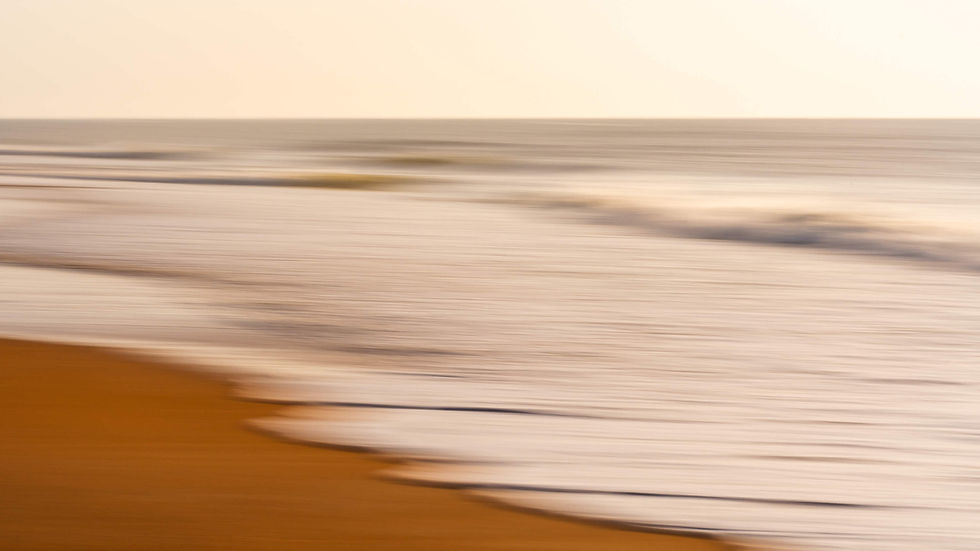
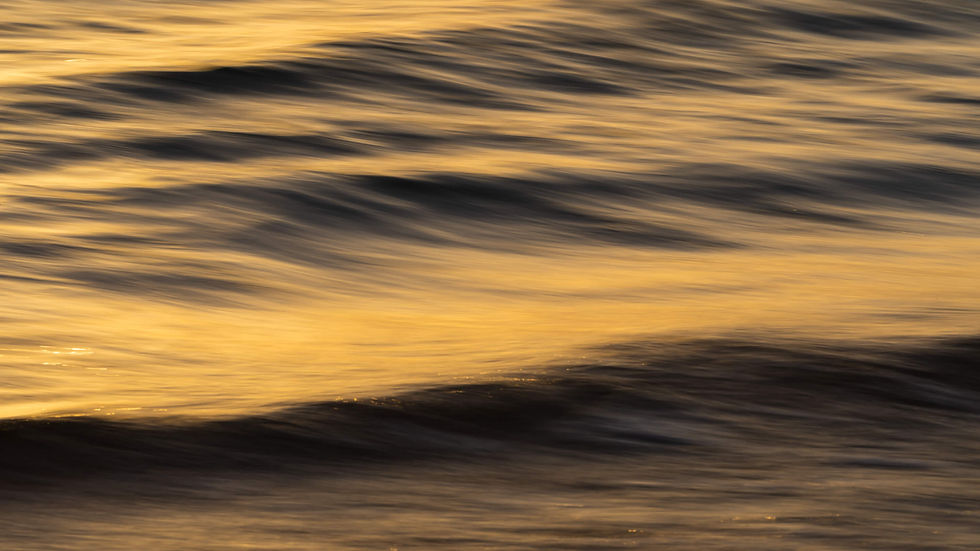
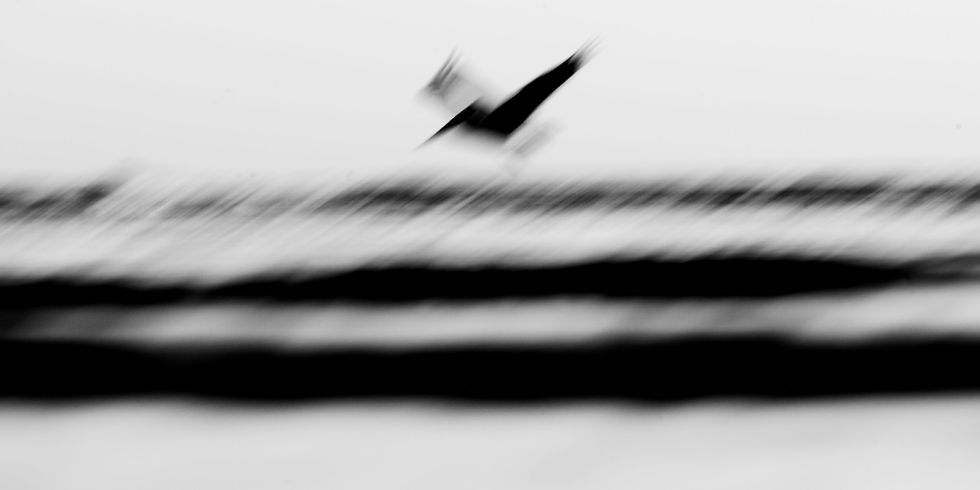
Here are some examples of soft painted style photography from the very same morning using this technique in different ways.





I hope you enjoyed this article! Check one of these out next!
Paul Farace is an award winning Florida based landscape photographer and author with 20 years of experience, specializing in capturing the state's coastlines and waterways. Operating out of St. Augustine, he shares his expertise through fine art prints, adventure videos, educational workshops, and digital content. Explore his work and bio details at Paul Farace Photography.
FAQ
What is painterly ocean photography?
It is a fine art photography style that turns seascapes into soft, impressionistic images resembling a canvas painting. Photographers achieve this look by blending long exposure times, intentional movement, and soft coastal light.
How do you create art with photography instead of standard snapshots?
You can create art with photography by moving away from reality. Use tools like a wide angle long exposure or intentional camera movement (ICM) to transform busy, chaotic waves into clean textures, abstract shapes, and moody fine art compositions.
How do you shoot ICM photography with ocean waves?
ICM photography ocean waves require a slower shutter speed, typically between 1/15 second and 1 second. As you click the shutter, smoothly pan your camera horizontally along the horizon line or specific waves to stretch the colors of the ocean into a fluid, abstract pattern.
Why use a Breakthrough Photography 6-stop ND filter for seascapes?
A 6 stop ND filter blocks the perfect amount of light during daylight hours. This allows you to drag your shutter speed down the correct range to smoothing out water while still maintaining some dramatic wave texture.
What are the best tips and tricks for landscape photography in bad weather?
Embrace the conditions! Overcast skies act like a giant softbox, which is perfect for eliminating harsh shadows and highlighting the deep, saturated blues and greens of the ocean. The great thing about this type of photography is that you can do it in any conditions.
---------------------------------------
Check out my THIS IS FLORIDA! series on YouTube where I am exploring the full length of Florida's A1A in search of the best landscape photography spots.
My Stuff
My Website: https://www.paulfaracephotography.com/
100+ Ideas for Landscape Photographers Book: https://amzn.to/4cinISm
How to Extreme Focus Stack Ebook: https://amzn.to/48wEgon
North East Florida Guide: https://www.paulfaracephotography.com/florida-photo-guide
Marineland Seascape 1on1 Guide: https://www.paulfaracephotography.com/marineland
My Gear
My cameras: https://amzn.to/4vgrOTL
My wide angle lens: https://amzn.to/3QfoRTf
My mid range lens: https://amzn.to/4sV4U2y
My telephoto lens: https://amzn.to/48bU687
My drone: https://amzn.to/3PVgdt7
My action cam: https://amzn.to/4t2Knck
My microphones: https://amzn.to/4dE4n0a
My ND filter: https://amzn.to/4c2cLWe
My circular polarizer: https://amzn.to/41XllQ0


Comments