
Beyond the Postcard: 5 Counter Intuitive Rules for High Emotion Landscape Photography.

Why don’t my photos feel the way the scene actually felt? Every landscape photographer asks this question eventually. You stand before a colossal mountain peak or a crashing coastline, press the shutter, and look at the LCD screen only to find a flat, uninspiring image. The technical settings are perfect, but the emotional spark is missing.

The problem is not your camera equipment. The issue is that most beginners copy postcard framing instead of pursuing visual storytelling. To create fine art landscape photography that truly resonates, you have to break the traditional, predictable rules.
Implement these five counter intuitive principles to transition from simple geographic snapshots to high emotion, fine art masterpieces.
Beyond the Postcard: 5 Counter Intuitive Rules for High Emotion Landscape Photography.
*Paul Farace is an award winning photographer based out of St. Augustine Florida and is sharing his experience with the Viltrox 16mm f1.8 lens on Sony Alpha after a year of hard use. Find out more at www.paulfaracephotography.com
*Some links on this page are affiliate links and I may earn a small commission if you use any. An easy way to support me for free! Thank you!
1. Embrace the Power of Good Bad Weather
Clear blue skies are the ultimate enemy of artistic outdoor photography. Bright midday sun casts harsh shadows, flattens beautiful natural textures, and robs a landscape of its inherent mystery. Unless you are shooting a specific project that requires that type of light. True professional photographers track breaking weather systems, clearing winter storms, and incoming low pressure fronts.
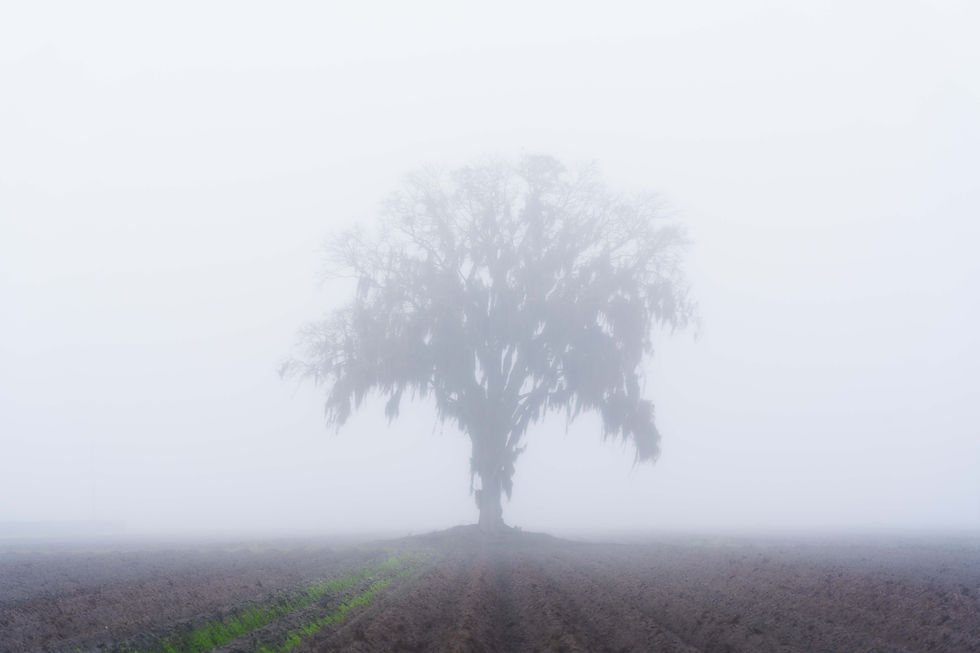
Unstable, turbulent atmospheric conditions act as a giant, soft light diffuser in the sky. Heavy fog, dense low mist, and dark overcast skies create instant depth by naturally separating the landscape into distinct, moody layers. Instead of waiting for a perfectly sunny weekend afternoon, pack your camera rain gear and head out precisely when the weather looks volatile.


2. Practice Aggressive Composition Exclusion
When confronted with a breathtaking view, the natural instinct is to reach for an ultra wide lens to pack everything into a single frame. This approach frequently dilutes the impact of the photo, filling the edges with empty, dead space or distracting visual clutter. Great landscape photography is defined by what you choose to exclude from the frame.
Force yourself to narrow your focus down to a single, compelling narrative. Switch out your wide glass for a telephoto lens, such as a 70 to 200 millimeter focal length, to compress the scene. Look for isolated trees on rolling hills, minimalist rock formations in water, or geometric patterns in desert sand dunes. By isolating a singular subject, you create mystery and force viewers to look closer.

3. Chase Transformative Light Over Famous Landmarks
Amateur photographers often plan entire vacations around photographing famous, overused icons found on social media travel pages. They travel thousands of miles only to photograph a famous rock formation at midday under flat, uninspiring lighting conditions. A mundane, local patch of woodland captured in perfect light will easily outperform a legendary landmark shot under bad light every single time.
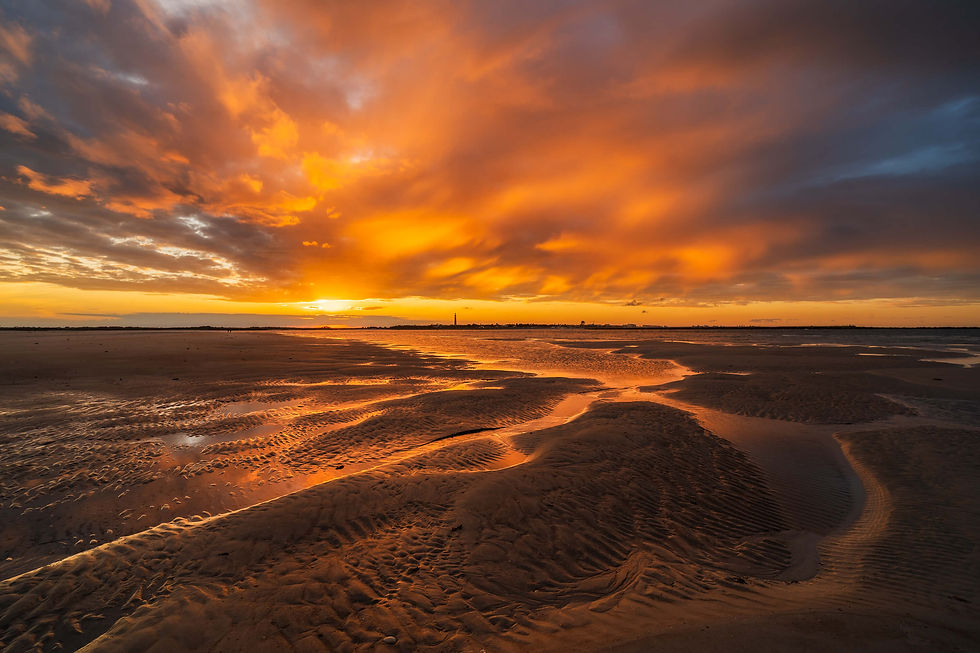
Shift your focus away from location hunting and dedicate your energy toward light scouting. Use specialized planning applications like The Photographer's Ephemeris to predict exactly where golden hour warmth or blue hour cool tones will hit your local landscapes. Low angle sun creates long, dramatic shadows that reveal the hidden shape and texture of everyday terrain.


4. Build Three Dimensional Depth via Layered Textures
Cameras convert our three dimensional world into a flat, two dimensional file. To restore that missing sense of scale and immense space, you must explicitly construct clear layers of visual depth within your frame. This requires finding a compelling, tactile foreground element to anchor the bottom third of your image.
Get your tripod extremely low to the ground, sometimes just inches away from a chosen foreground anchor. Contrast rough, jagged foreground textures, like coastal volcanic rock or intricate ice patterns, against smooth background elements. Utilizing a slow shutter speed to turn crashing ocean waves into silky, ethereal movement adds a dynamic sense of motion and passing time.


5. Prioritize Scouting Intention Over Expensive Equipment
It is tempting to believe that buying a high resolution camera body or a luxury lens line will magically fix flat compositions. The harsh reality of fine art print photography is that the camera is merely a recording tool. Creative vision, physical persistence, and meticulous planning matter far more than the specific brand of gear resting inside your backpack.
Spend your free time studying geographical topographic maps, monitoring local weather shifts, and physically scouting trails during the off hours. Walk the terrain without your camera bag to focus entirely on how the changing light interacts with the local geography. When you finally pair an intimate, deep knowledge of a location with a dramatic weather event, the resulting high emotion photograph will speak for itself.
Your Vision is the Ultimate Tool
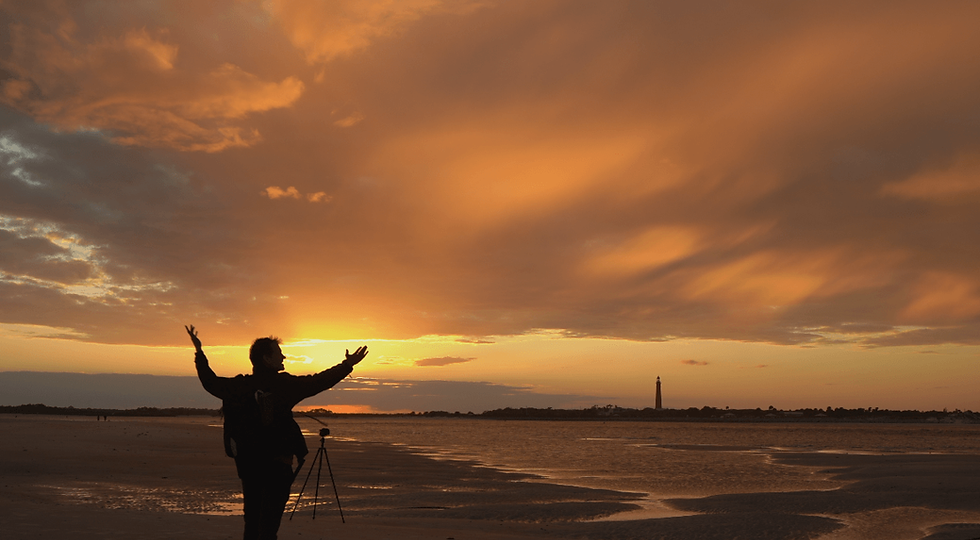
The differences separating a generic travel snapshot from a moving piece of fine art have nothing to do with megapixel counts or expensive lens glass. Truly powerful landscape photography demands that you slow down, read the atmosphere of the wilderness, and intentionally compose with raw emotion. By chasing moody weather storms, aggressively isolating your subjects, and mastering the physics of foreground layers, you give your viewers a window into how the earth actually felt at that singular moment in time.
The natural world is constantly shifting and offering up temporary, unrepeatable masterpieces. Pack your backpack, monitor the incoming weather, and head out into the field with a newfound sense of creative purpose. The perfect light is waiting for you, but you have to be out there to catch it.
Now get out there and start shooting!
Need some inspiration on what to photograph?
100+ Ideas for Landscape Photographers by Paul Farace is an action oriented handbook designed to break creative ruts for landscape photographers of all skill levels. The book offers over 100 actionable, seasonally specific ideas to help photographers get back to creating their best art!.

---------------------------------------
Florida Landscape Photography VLOG. Check out my THIS IS FLORIDA! series on YouTube where I am exploring the full length of Florida's A1A in search of the best landscape photography spots.
This Is Florida! Watch The Series Here!
---------------------------------------
Some links on this page are affiliate links and I may earn a small commission if you use any. An easy way to support me for free! Thank you!
---------------------------------------
My Stuff
100+ Ideas for Landscape Photographers Book: https://amzn.to/4cinISm
How to Extreme Focus Stack Ebook: https://amzn.to/48wEgon
North East Florida Guide: https://www.paulfaracephotography.com/florida-photo-guide
Marineland Seascape Workshop: https://www.paulfaracephotography.com/marineland
My Gear
My cameras: https://amzn.to/4vgrOTL
My wide angle lens: https://amzn.to/3QfoRTf
My mid range lens: https://amzn.to/4sV4U2y
My telephoto lens: https://amzn.to/48bU687
My drone: https://amzn.to/3PVgdt7
My action cam: https://amzn.to/4t2Knck
My microphones: https://amzn.to/4dE4n0a
My ND filter: https://amzn.to/4c2cLWe
My circular polarizer: https://amzn.to/41XllQ0


Comments